 Image 1 of 5
 Image 2 of 5
 Image 3 of 5
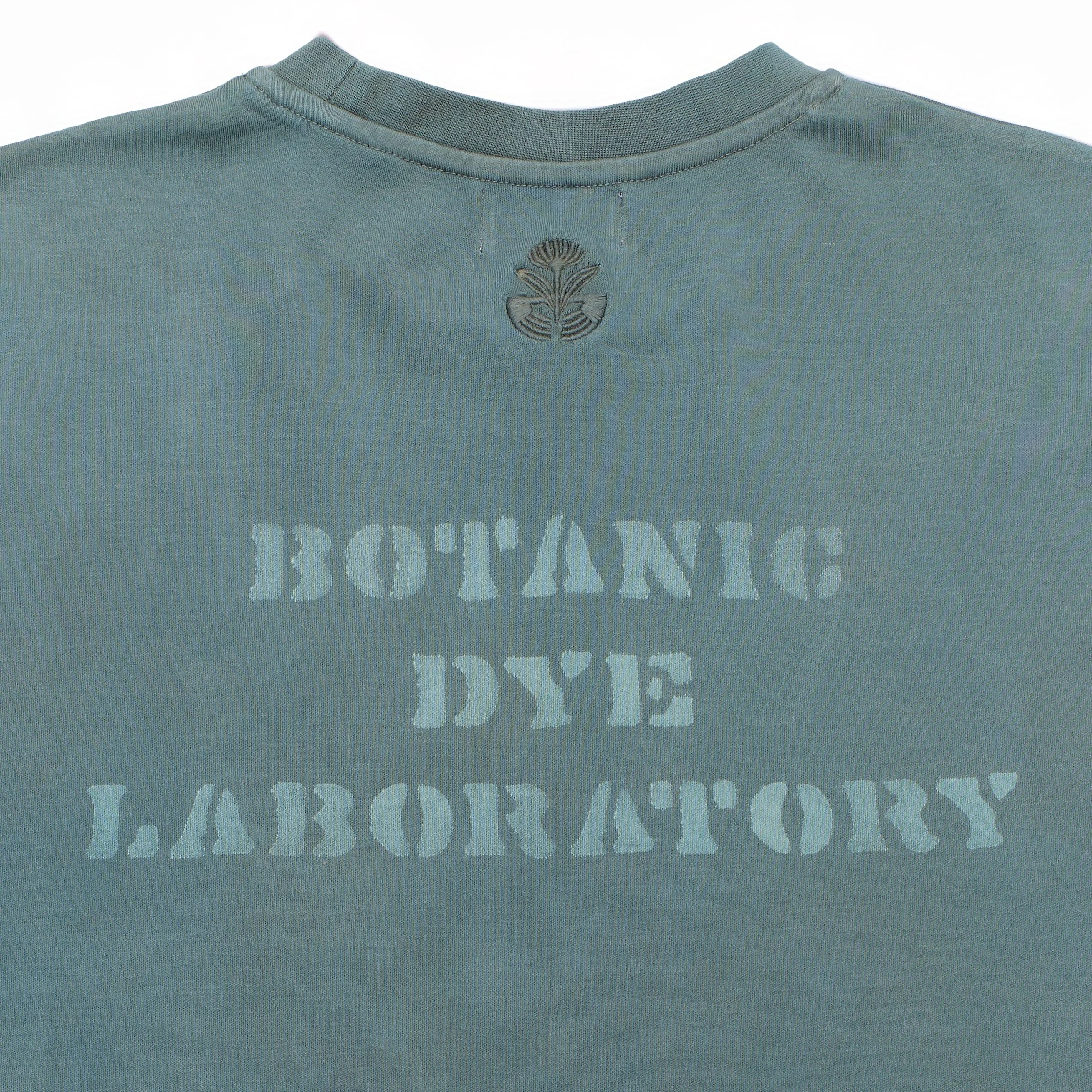 Image 4 of 5
 Image 5 of 5
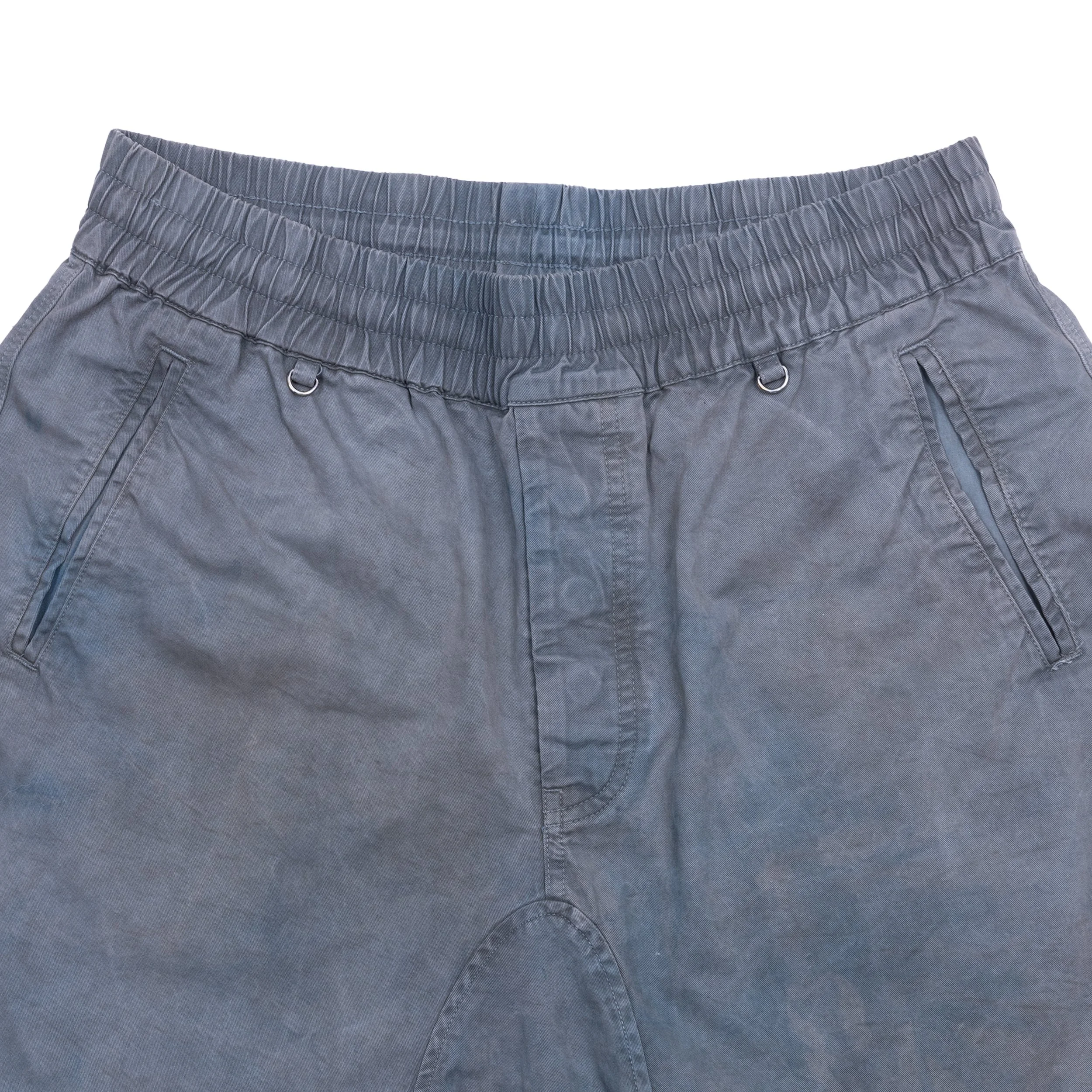
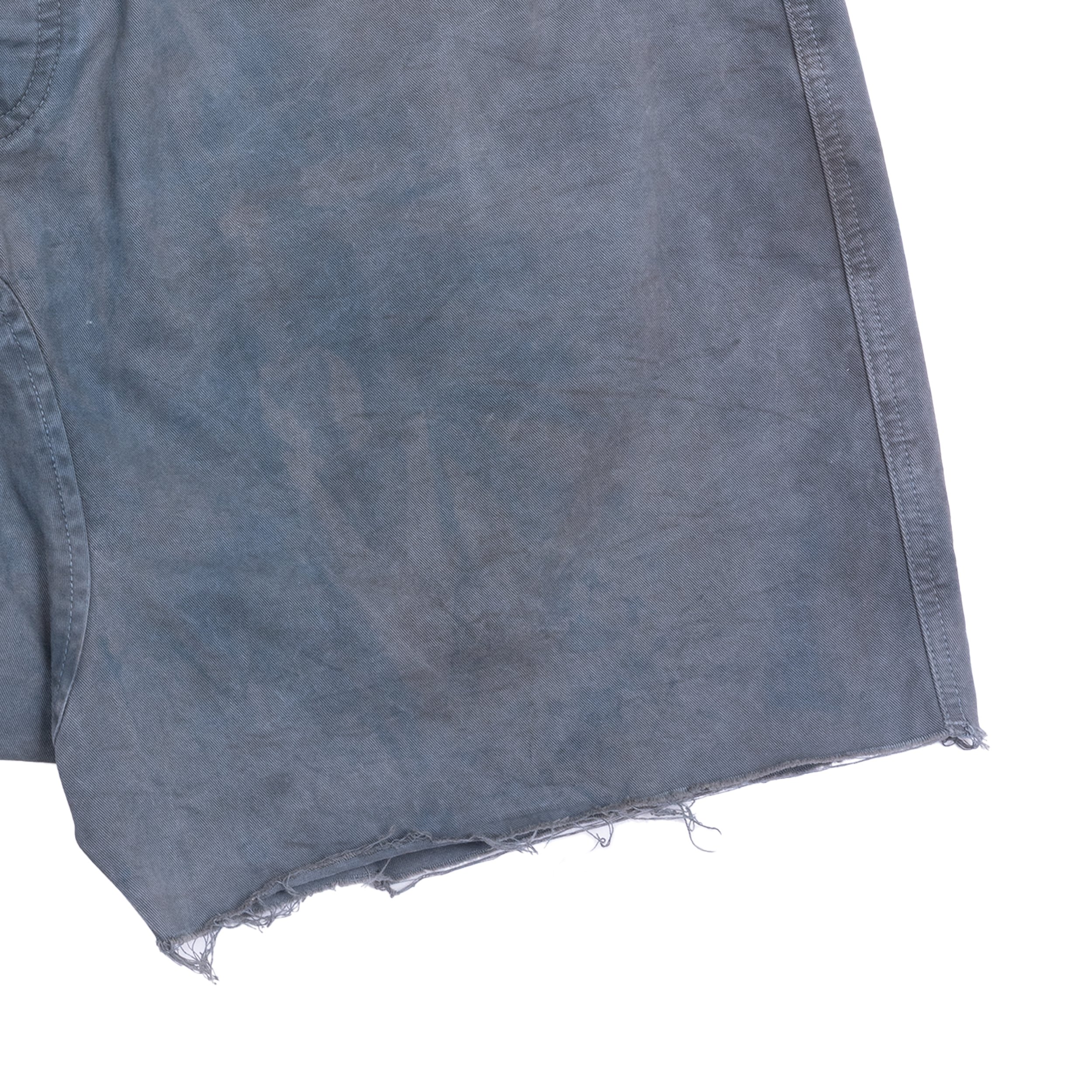
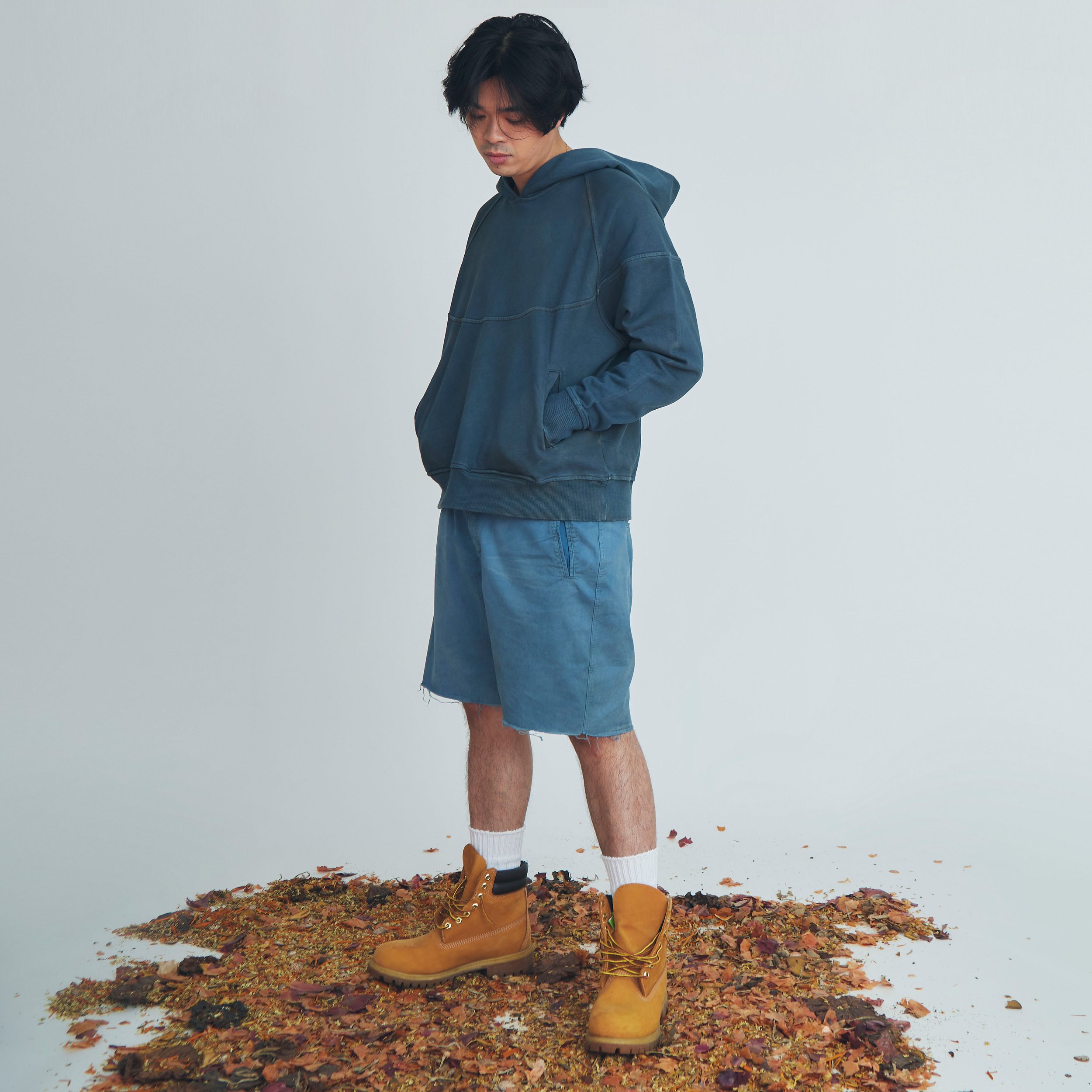
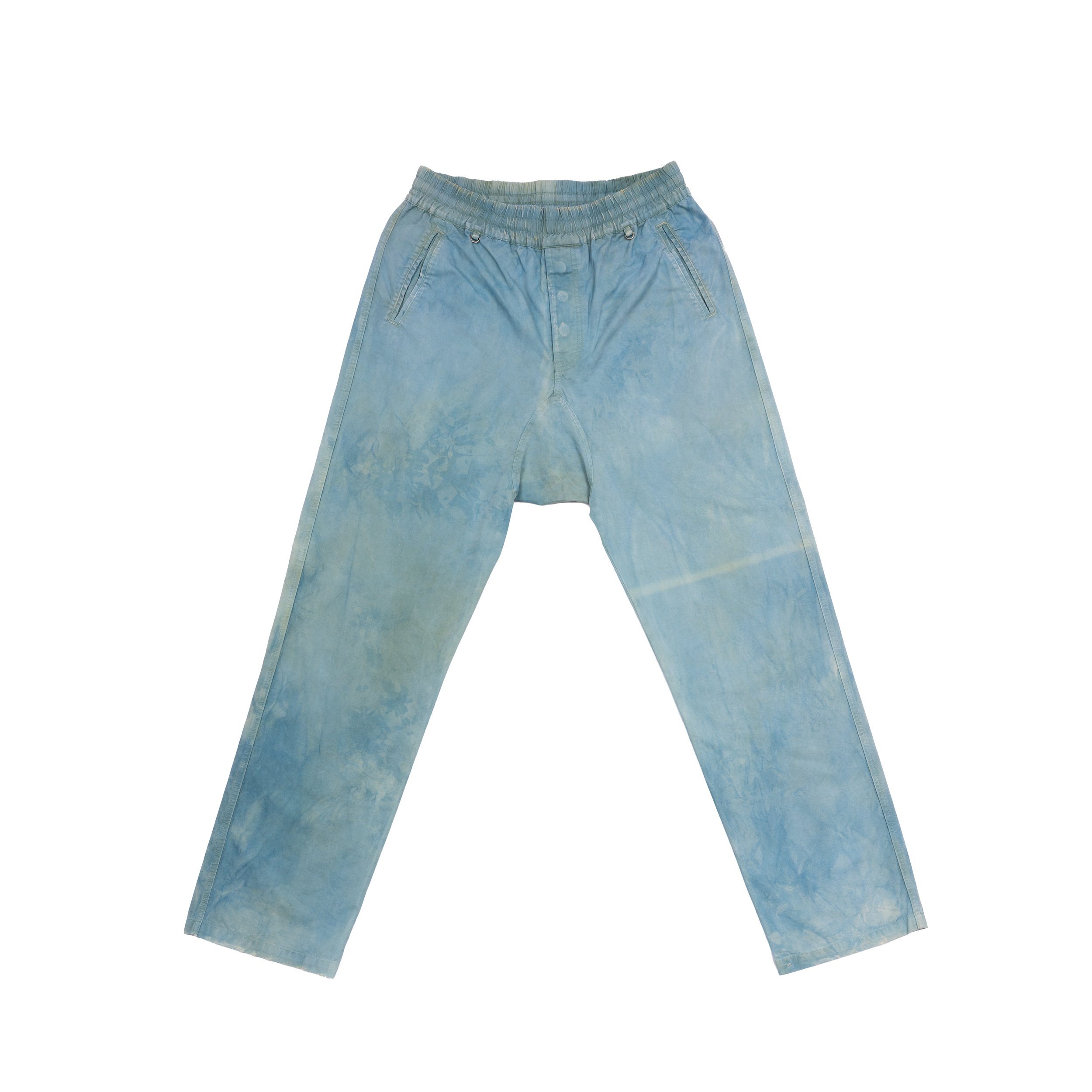
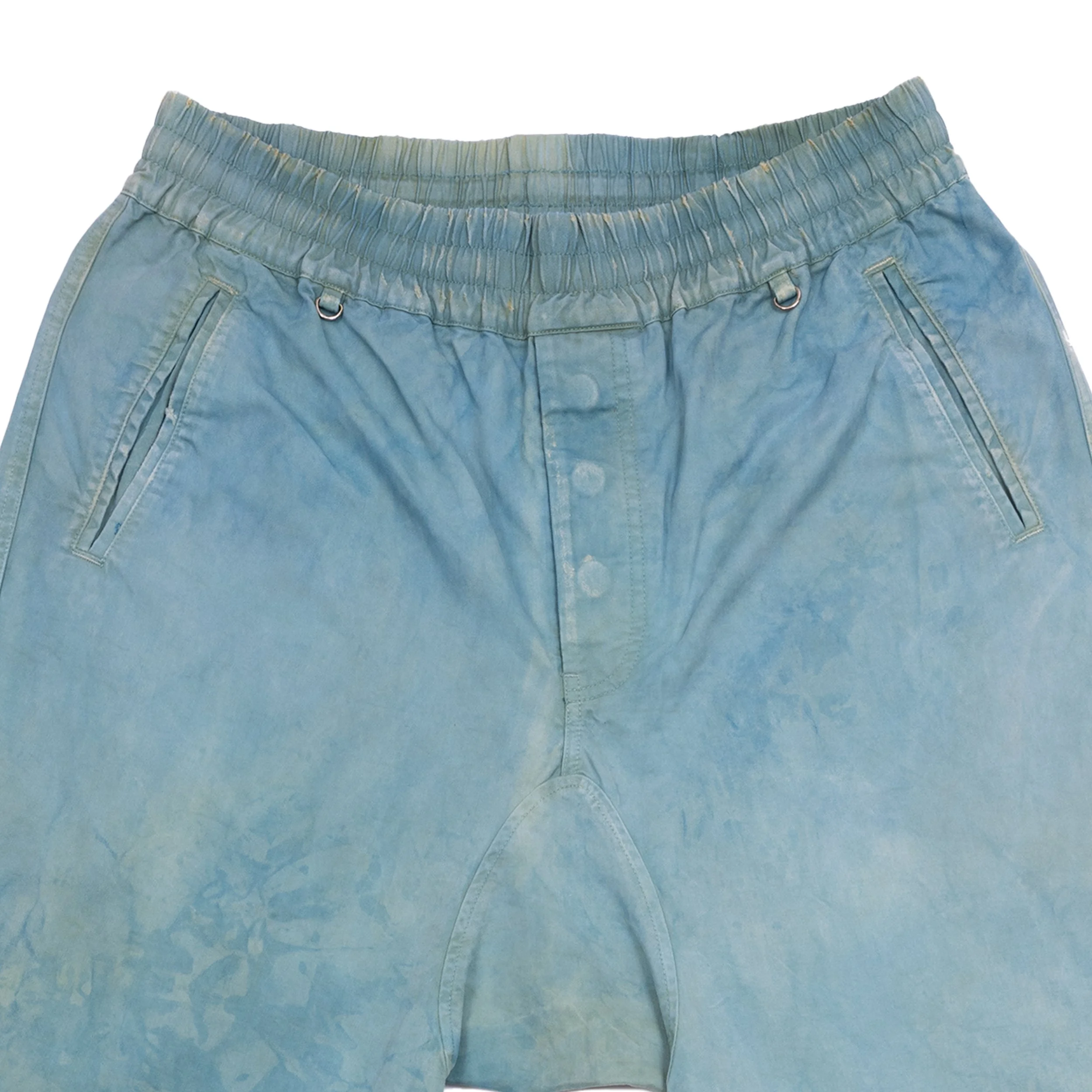
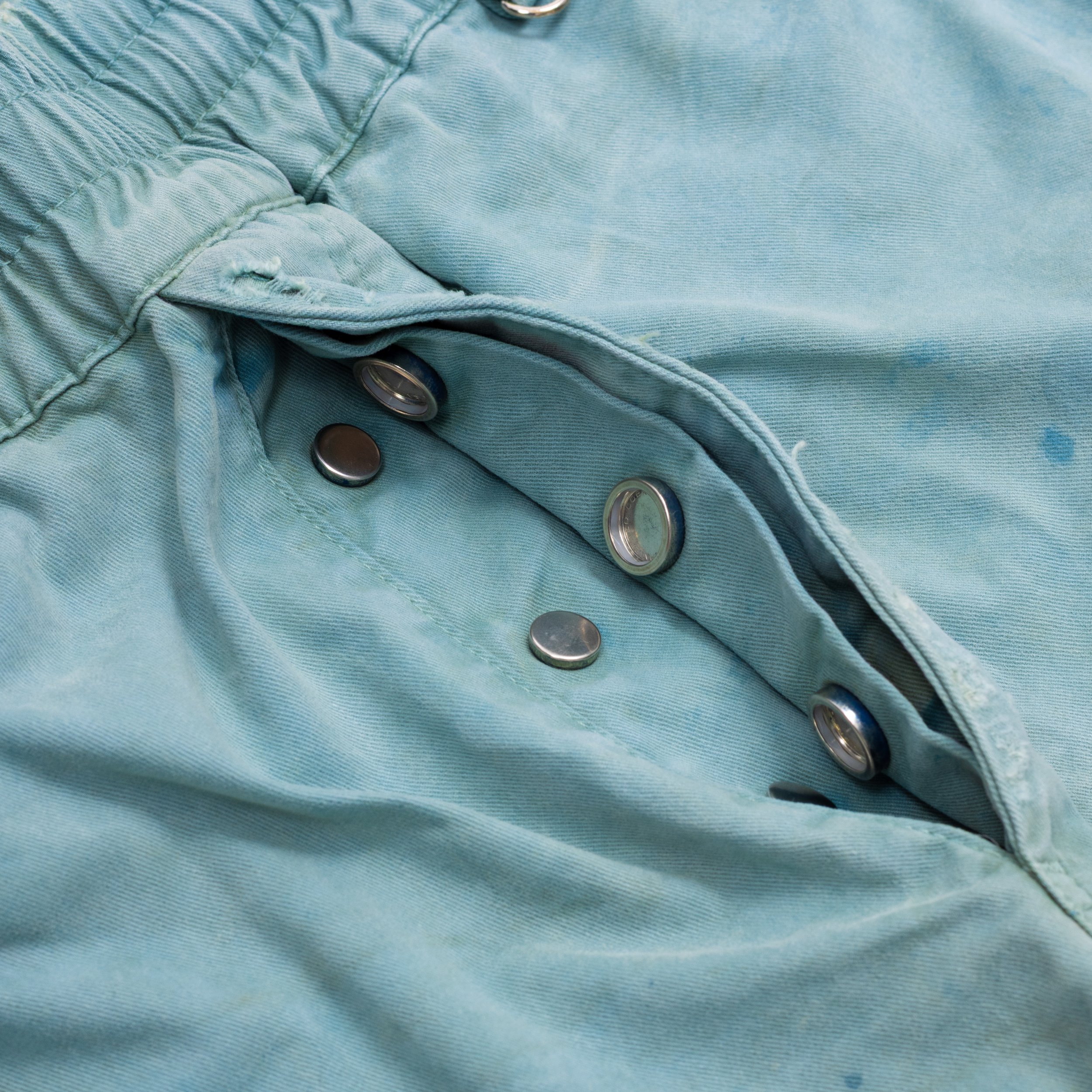
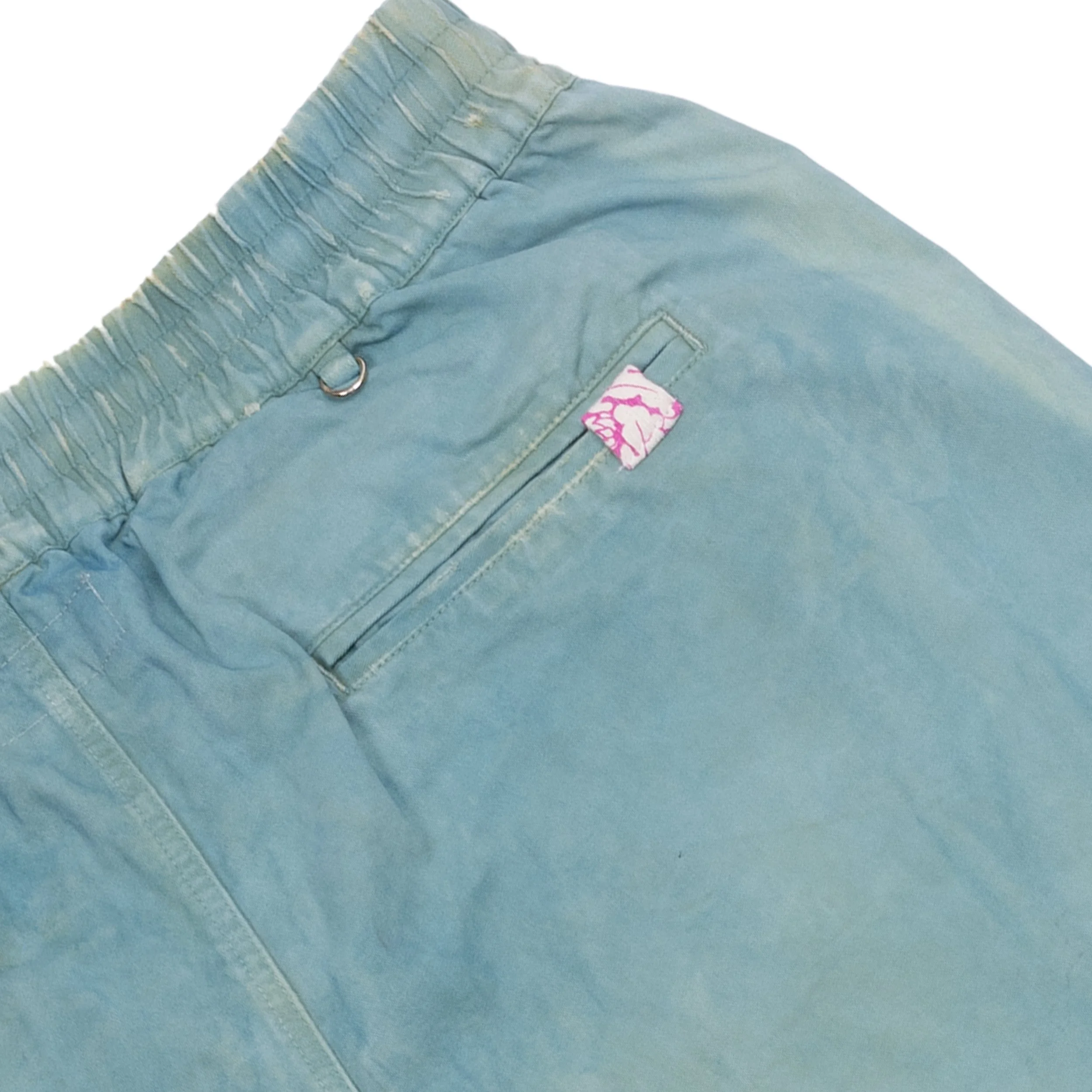
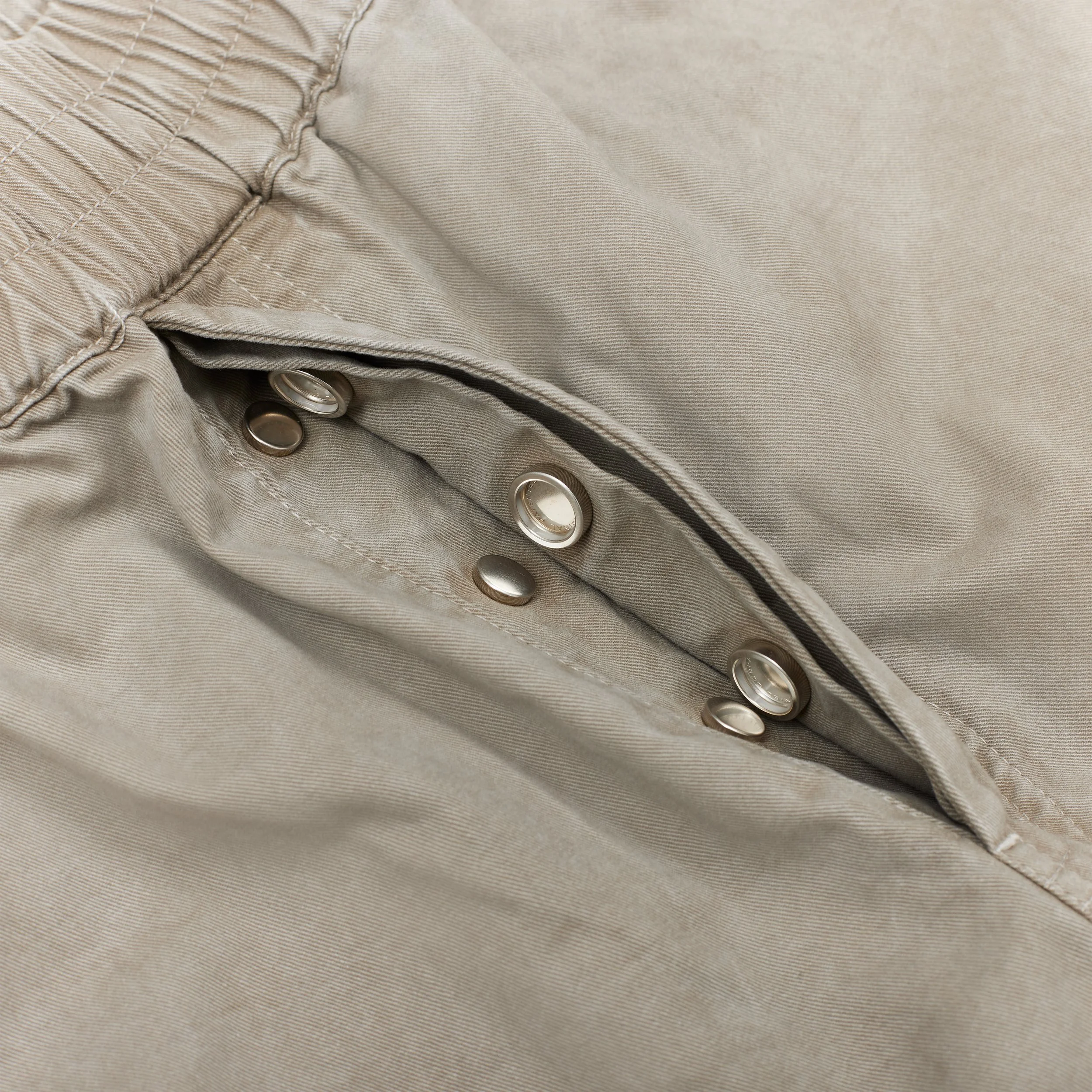
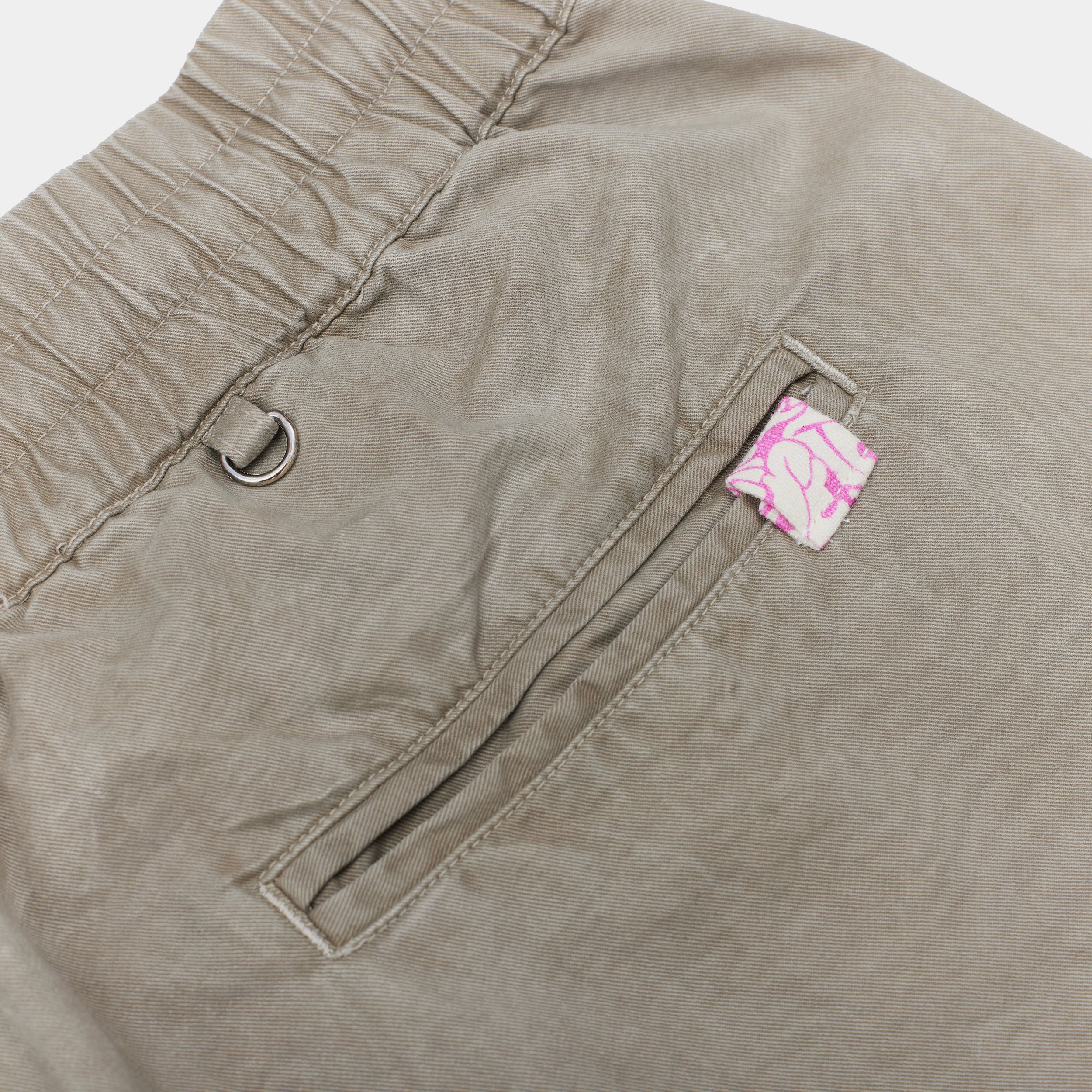
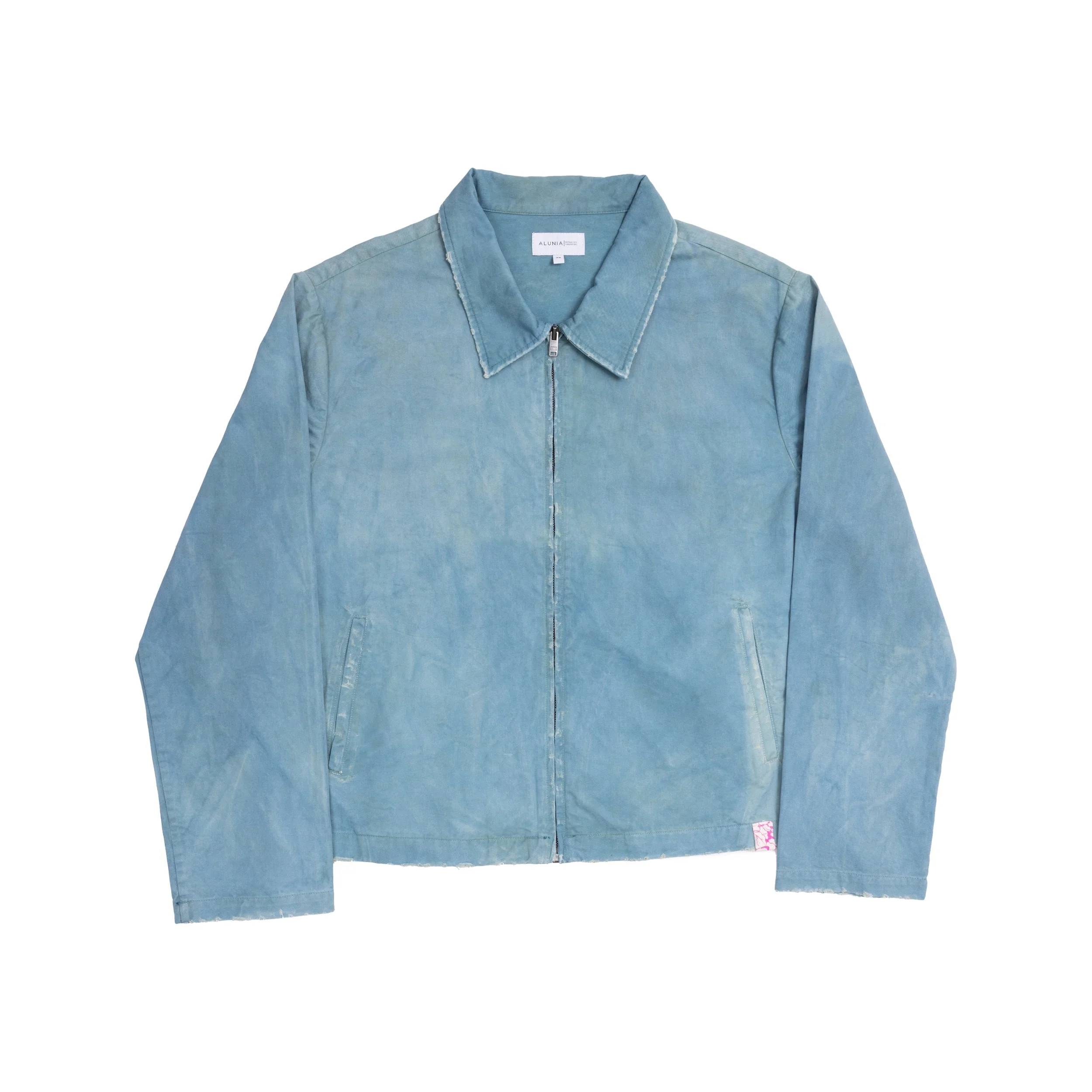
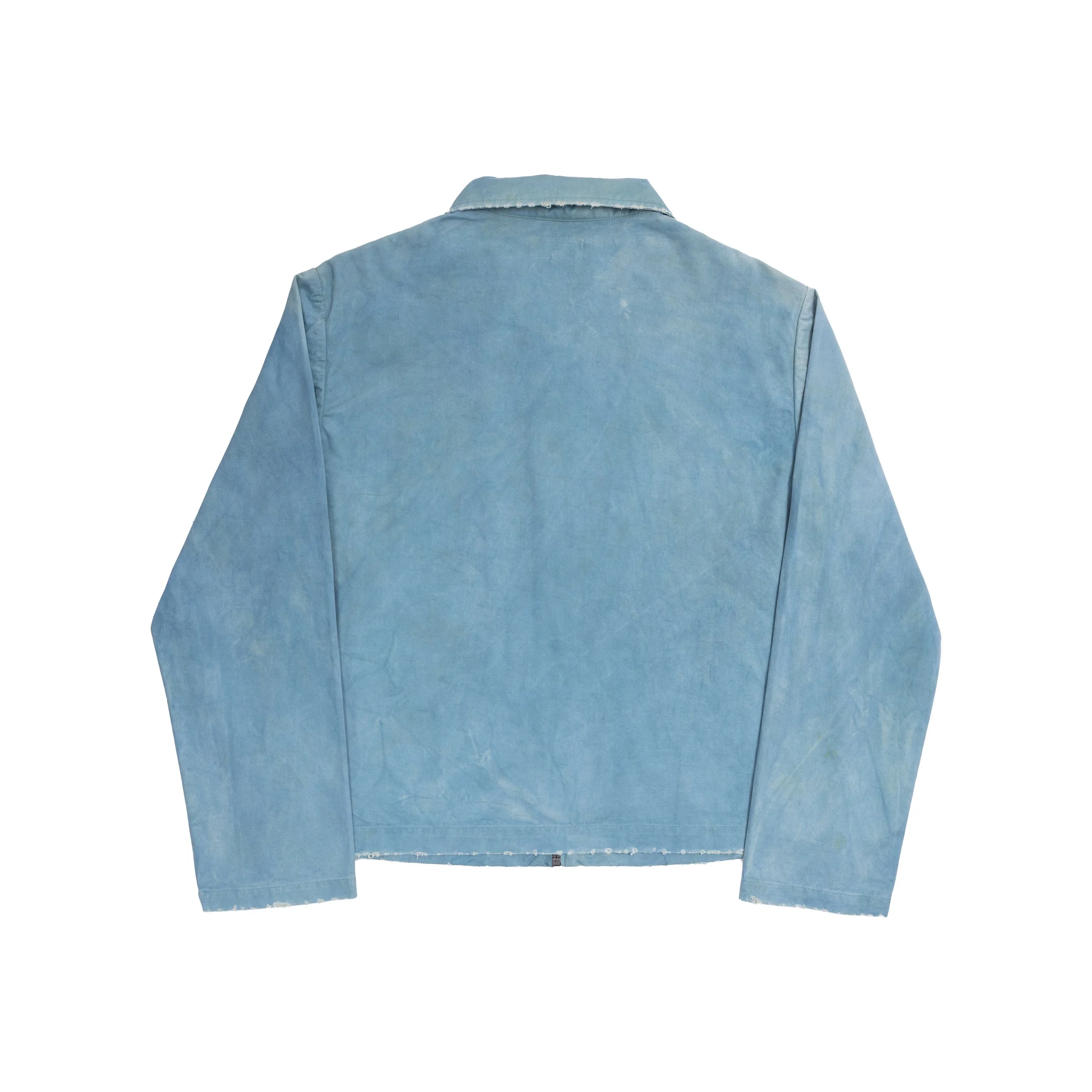
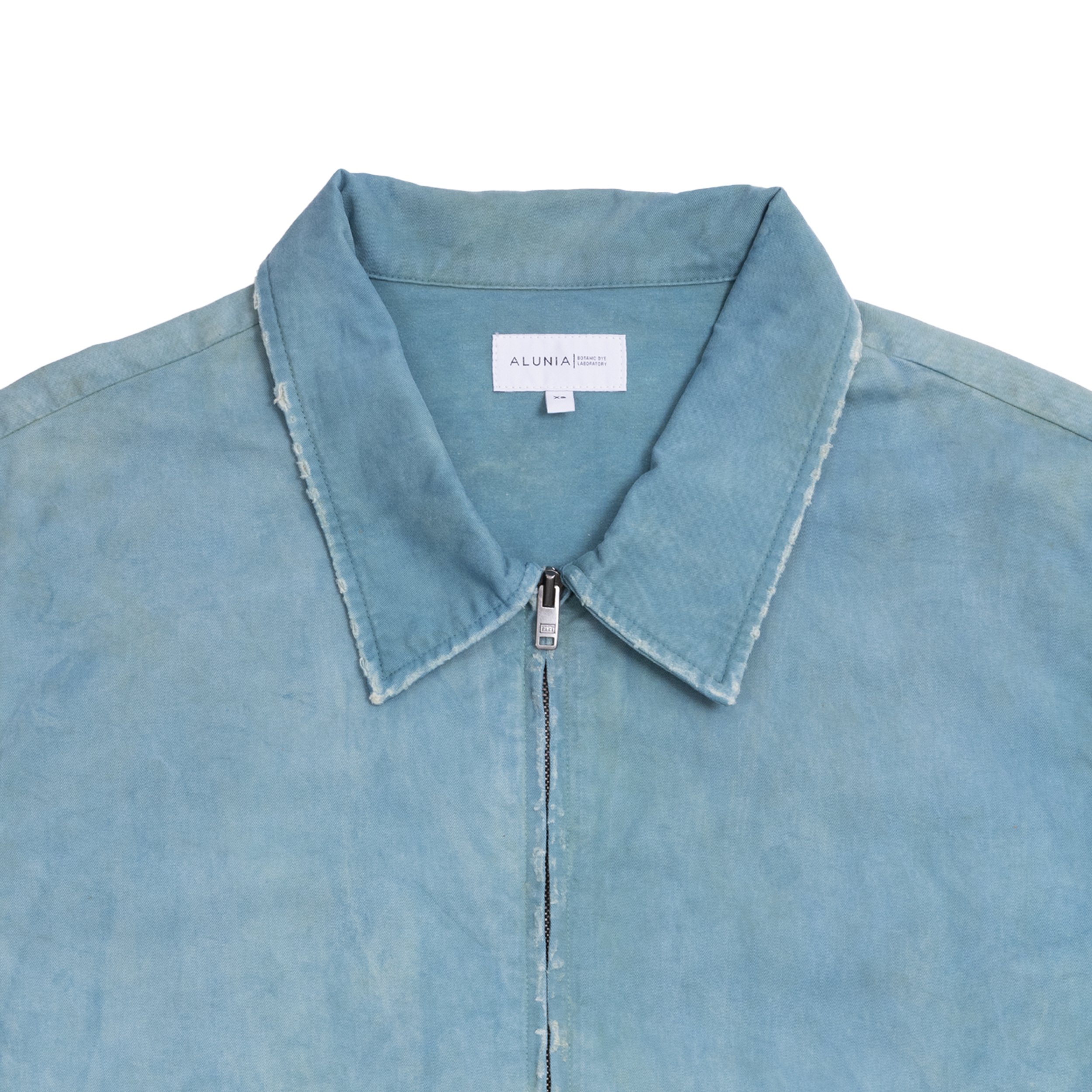
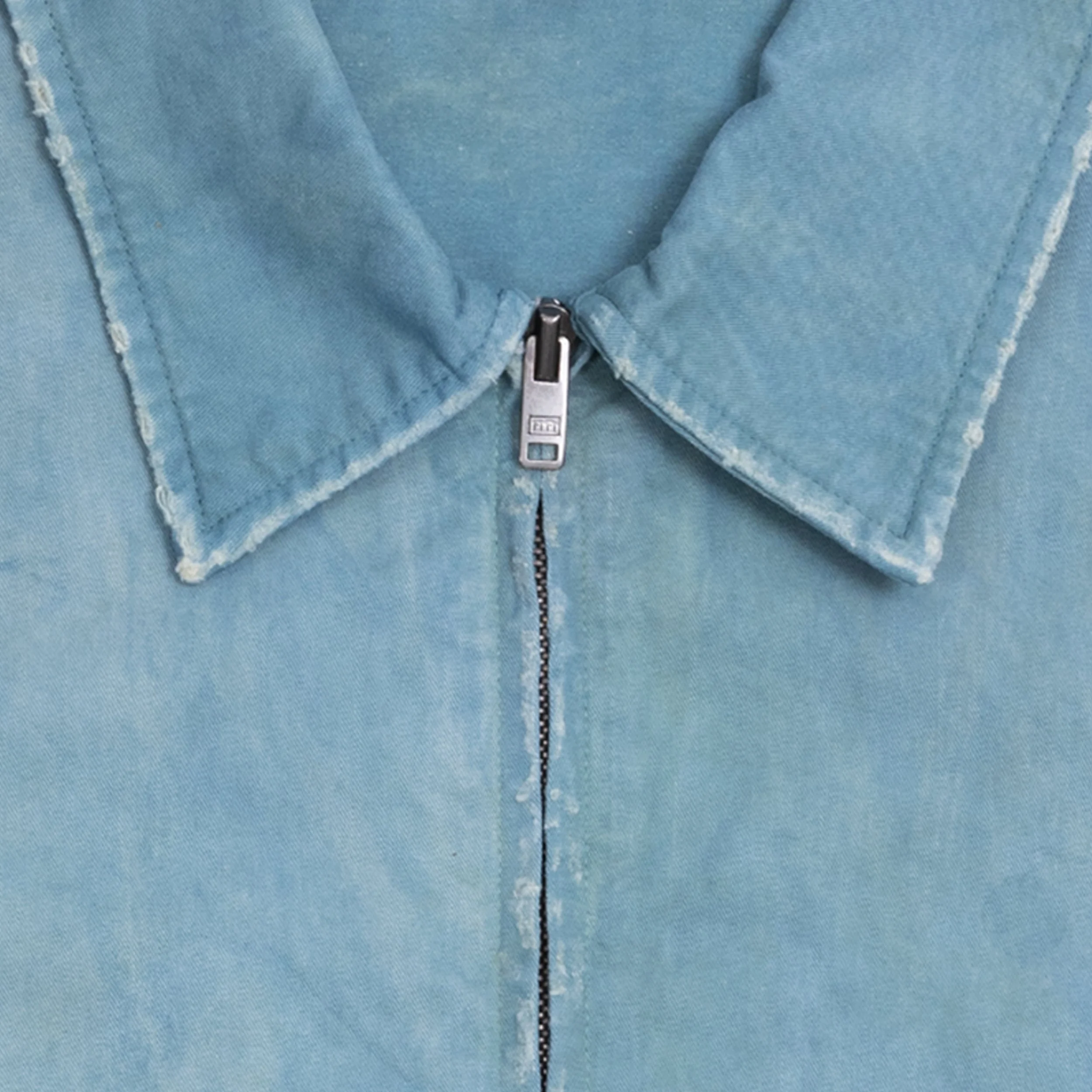
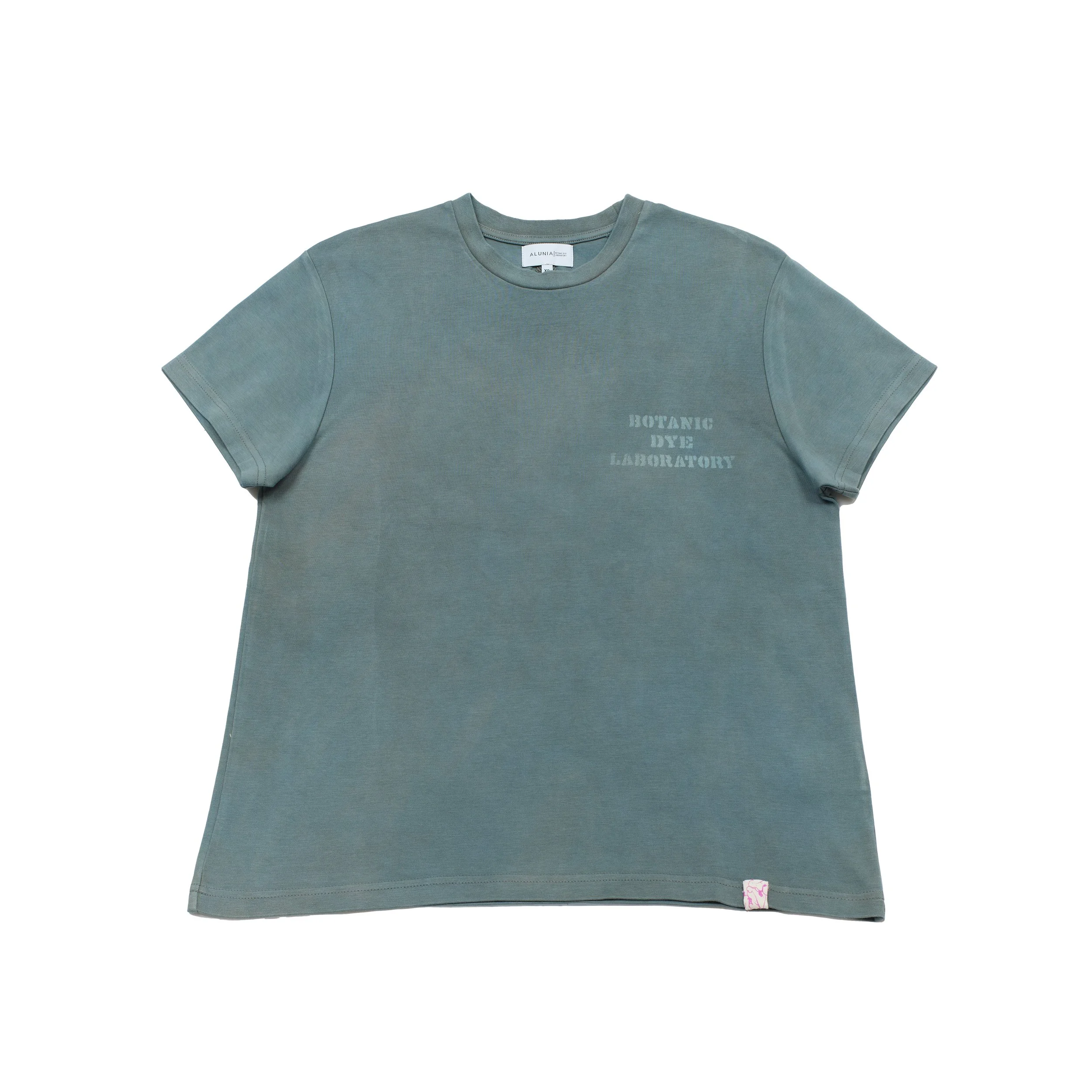
Hand dyed with Black Tea and Indigo
100% Cotton
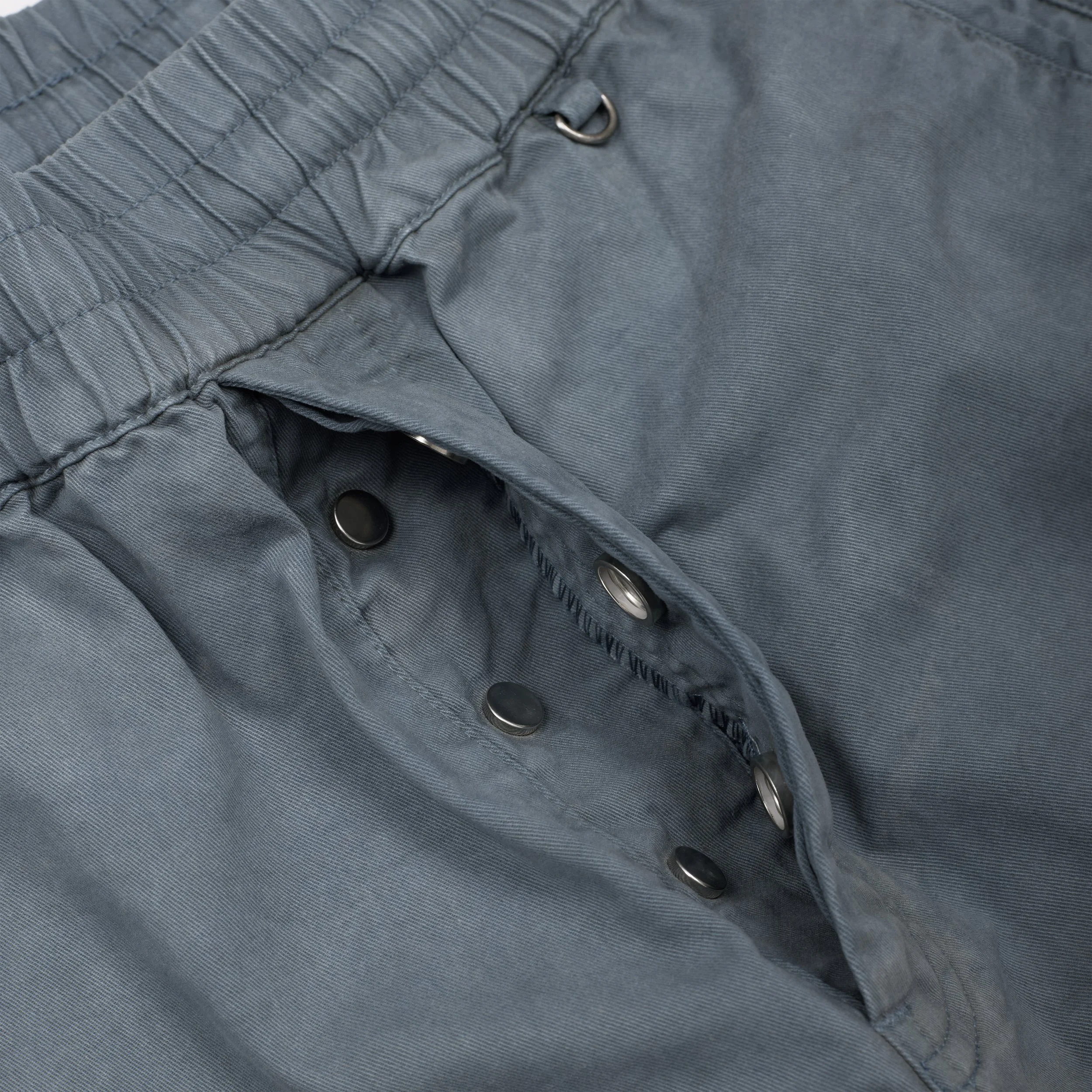
Designed with a relaxed fit and above-the-belt crop
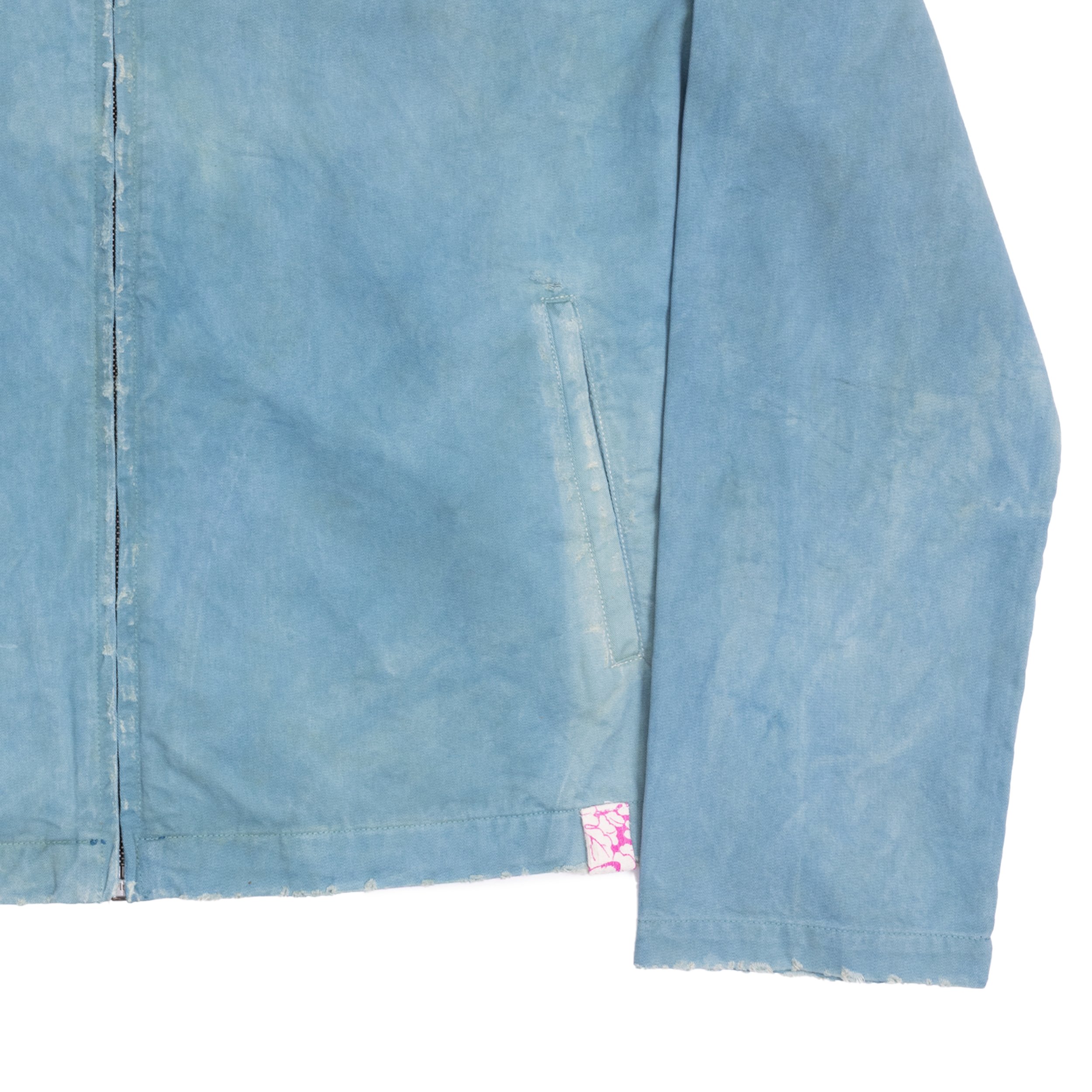
Each piece will have its own distinctive pattern
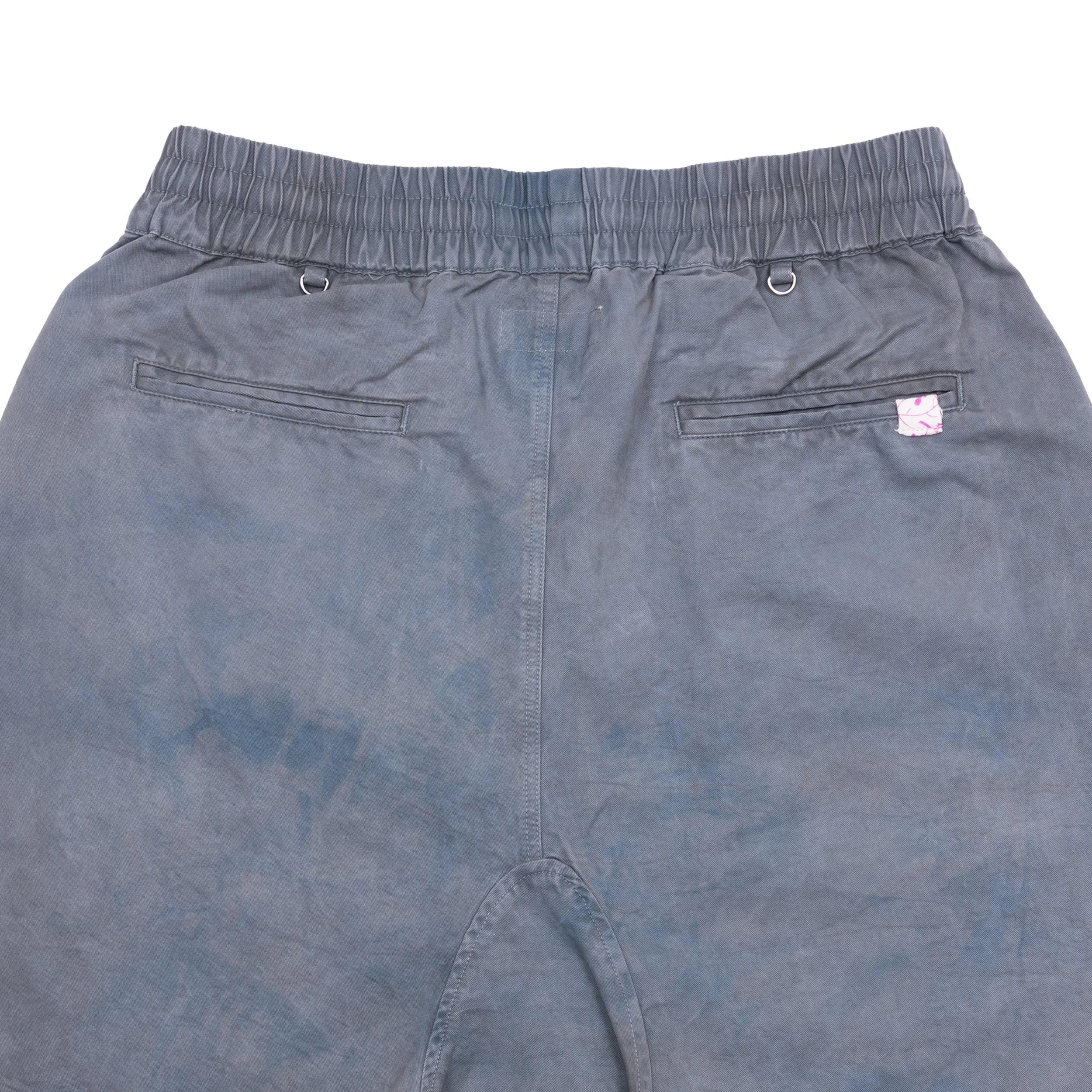
Stencil printed with the Botanic Dye Laboratory motif on both the front and back
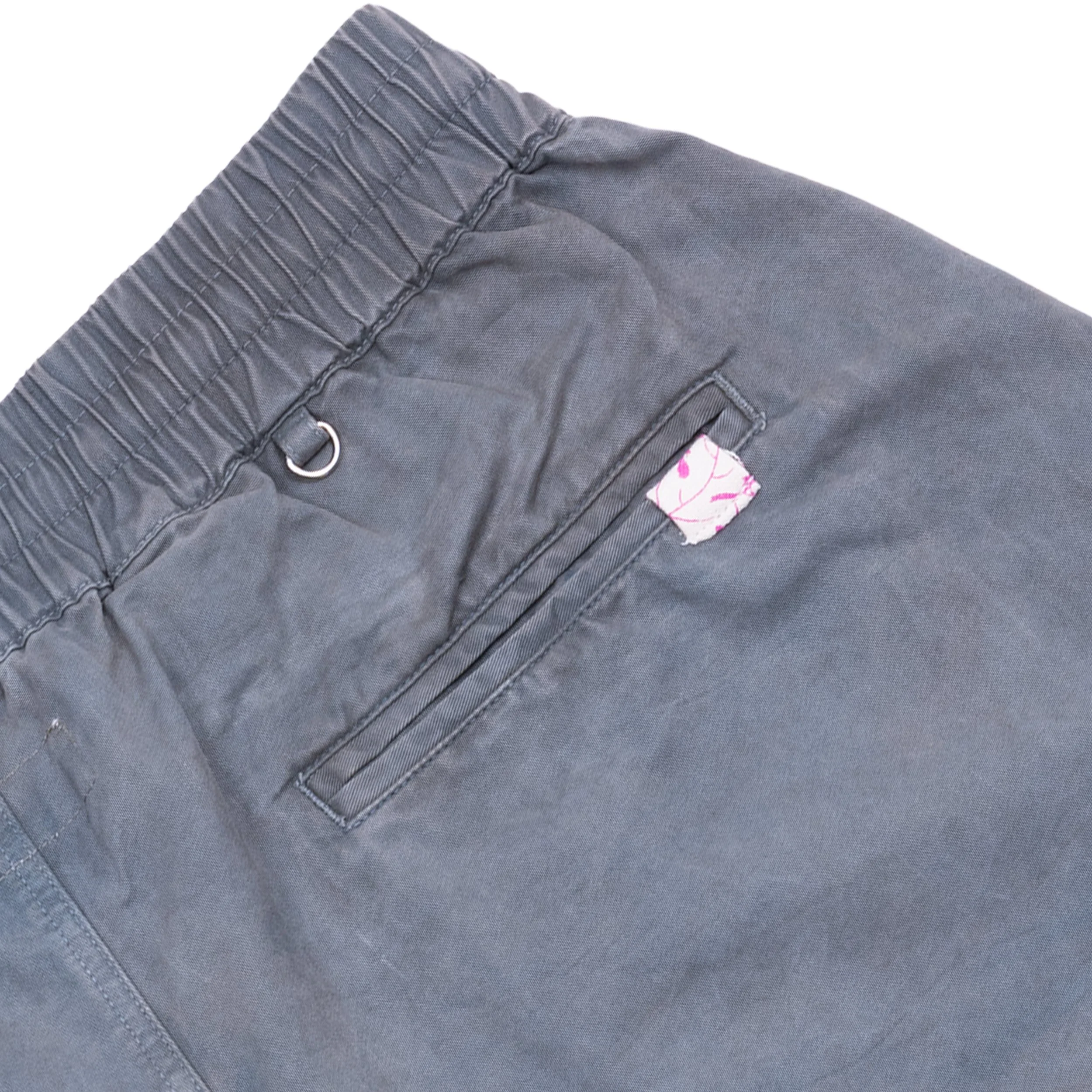
Labelled with a vintage batik dye tab
Given that the dyeing process is done by hand, it is important to note that there may be variations in colour and occasional colour accumulation at specific points
Please note actual colour and pattern may vary from product image
Tea dyeing, originating in ancient China, harnessed the remarkable power of tea leaves beyond their flavor and medicinal qualities. Chinese artisans uncovered the art of infusing textiles with tea-infused water or boiling them alongside tea leaves, resulting in a mesmerizing array of colours. Ranging from gentle browns and beiges to rich sepia and deep greys, this technique gained popularity during the Tang Dynasty (618-907) and underwent continuous refinement over the centuries. Today, tea dyeing imparts a touch of history and natural charm to fabrics, allowing them to exude a vintage aesthetic.
To achieve the desired rustic navy effect, the process begins by immersing the garment in a slightly diluted indigo bath, followed by oxidation to develop its deep, moody tones. Once adequately dyed, the garment is then submerged in a continuously moving tea bath, where the natural pigments infuse the fabric with a warm, earthy character. After both dye stages, the garment is thoroughly rinsed. The layering of tea dye over indigo lends a vintage or aged aesthetic, where the cool depth of indigo is softened by the rustic charm of tea. To finish, the T-shirt is stencil printed by hand with the Botanic Dye Laboratory motif—a quiet nod to tradition and craftsmanship, where skilled hands bring subtle character to each piece.
Hand dyed with Black Tea and Indigo
100% Cotton
Designed with a relaxed fit and above-the-belt crop
Each piece will have its own distinctive pattern
Stencil printed with the Botanic Dye Laboratory motif on both the front and back
Labelled with a vintage batik dye tab
Given that the dyeing process is done by hand, it is important to note that there may be variations in colour and occasional colour accumulation at specific points
Please note actual colour and pattern may vary from product image
Tea dyeing, originating in ancient China, harnessed the remarkable power of tea leaves beyond their flavor and medicinal qualities. Chinese artisans uncovered the art of infusing textiles with tea-infused water or boiling them alongside tea leaves, resulting in a mesmerizing array of colours. Ranging from gentle browns and beiges to rich sepia and deep greys, this technique gained popularity during the Tang Dynasty (618-907) and underwent continuous refinement over the centuries. Today, tea dyeing imparts a touch of history and natural charm to fabrics, allowing them to exude a vintage aesthetic.
To achieve the desired rustic navy effect, the process begins by immersing the garment in a slightly diluted indigo bath, followed by oxidation to develop its deep, moody tones. Once adequately dyed, the garment is then submerged in a continuously moving tea bath, where the natural pigments infuse the fabric with a warm, earthy character. After both dye stages, the garment is thoroughly rinsed. The layering of tea dye over indigo lends a vintage or aged aesthetic, where the cool depth of indigo is softened by the rustic charm of tea. To finish, the T-shirt is stencil printed by hand with the Botanic Dye Laboratory motif—a quiet nod to tradition and craftsmanship, where skilled hands bring subtle character to each piece.